IDBF912 Festival Dragon Boat
Hull material: fiberglass composite hull, dragon scale color and hull pattern can be customized
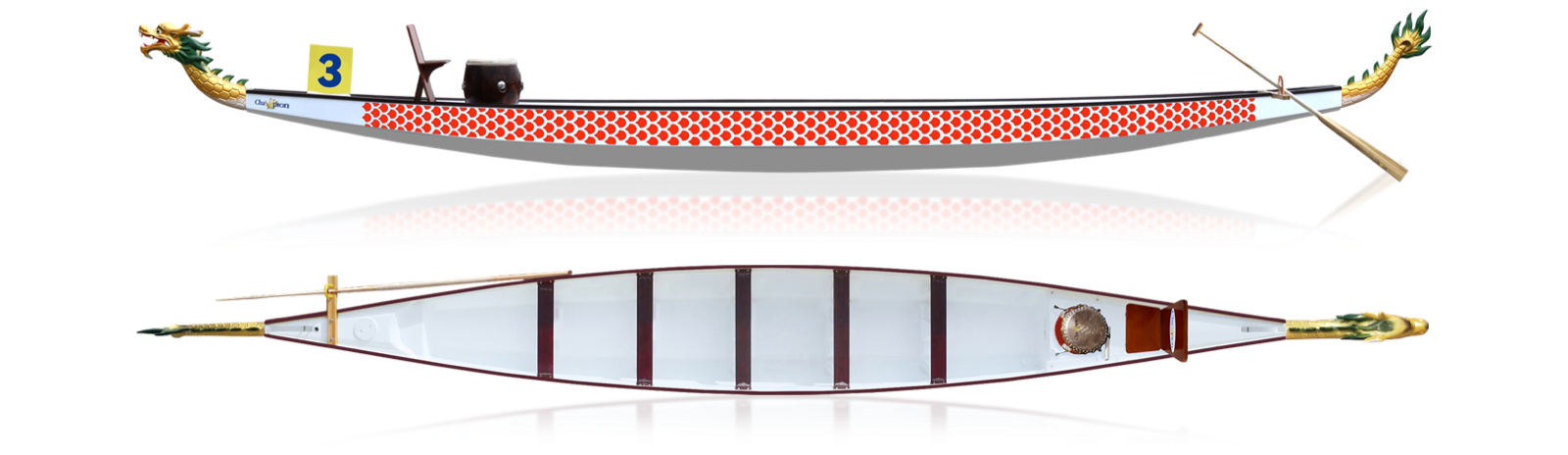
1Product Data
| LENGTH | WIDTH | HEIGHT | WEIGHT | |
|---|---|---|---|---|
| HULL | 9m | 1.14m | 0.55m | 170kg |
| DRAGON HEAD | 0.93m | 0.26m | 0.76m | 7.4kg |
| DRAGON TAIL | 0.8m | 0.13m | 0.8m | 4.7kg |
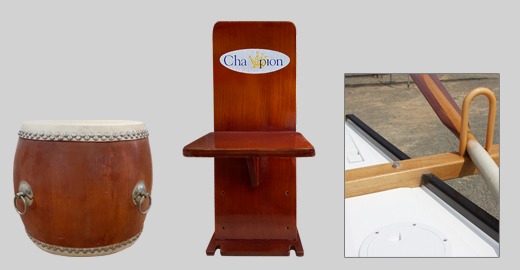
| ACCESSORIES | DRAGON HEAD & TAIL, DRUM, DRUMMER SEAT, STEERING OAR, BOARD NUMBER | |||
| MATERIAL | FIBERGLASS COMPOSITE MATERIAL | |||
2Product Photographs

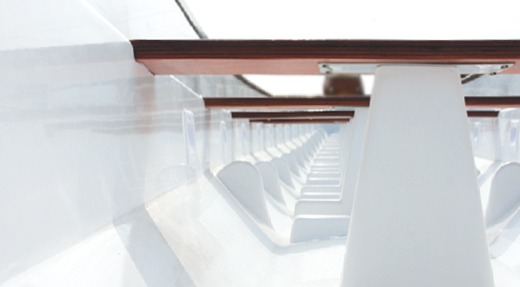
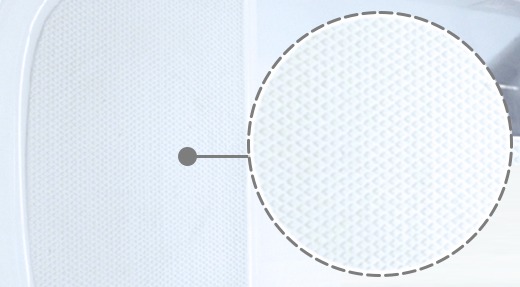
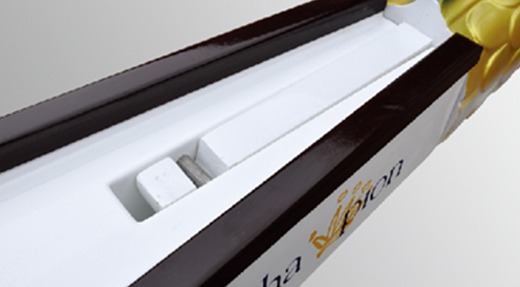
3Product Introduction
The International Standard Dragon Boats are meticulously designed by Champion, drawing on more than 30 years of professional dragon boat manufacturing experience. They have long been at the forefront in terms of overall design and functionality. All Champion dragon boats have passed the dragon boat standard certifications of the International Dragon Boat Federation (IDBF).
Champion · Dragon boat care and maintenance
The materials used in the Champion series of dragon boats hold the Det Norske Veritas (DNV) Type Approval Certificate and the Lloyd's Register certificate of approval for polyester resin. With proper maintenance and repair, the normal service life of Champion dragon boat equipment is six to ten years.
❶ Maintenance of the gunwales
Gunwale maintenance is very important. During production the gunwales are sprayed with waterproof, anti-UV paint. Wear, climate and the waters where the boat is used (seawater, for example) can make the paint come off; when this happens, repaint with waterproof, anti-UV paint as soon as possible. Apply thin coats and repeat several times: this ensures the paint is more even and firm. The same method applies to all the wooden fittings of the hull. Steps:
Step one: sand the entire surface of the gunwale with sandpaper.
Step two: repaint, applying a coat as thin as possible each time; let it dry completely before the next coat and repeat three or four times.
❷ Maintenance of the hull
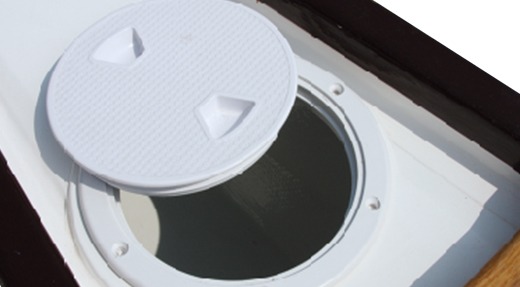
The double-shell hull structure of Champion dragon boats holds a national invention patent. The hull is made of two shells (inner and outer) separated by a relatively small gap, so when storing the equipment pay attention to how the weight is supported.
Hull maintenance is very important. Scratches and friction damage the protective gel coat and can expose the glass fibre; this, like any major damage caused by a collision or other accident, must be repaired promptly.
Normally any fibreglass (FRP) repair shop can deal with this kind of damage, and you can also contact the manufacturer. If the damage is minor, the user can buy gel coat, repair it and then polish the area.
❸ Transport, launching and recovery
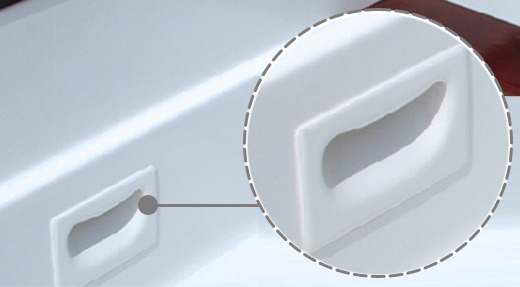
When launching the boat or taking it out of the water, an incorrect or careless method can easily damage the equipment. The correct way requires enough people to lift the boat by its built-in handles, avoiding contact with the ground or the beach, and to place it directly in the water or on the trailer. Never drag the boat over sand or any other surface: it damages the bottom of the hull.
❹ General maintenance
1. After use, keep the boat clean and dry and do not leave water inside the hull; clean and dry it promptly after every outing.
2. When the boat is not in use, cover it with its hull cover or a similar cover. This prevents damage from sunlight and corrosive rain.
It also keeps maintenance of the wooden parts of the hull to a minimum.
3. A little water inside the hull during use is normally caused by splashing; if there is a lot of water, check whether the hull is damaged and repair it promptly.
❺ Storage
In the off season, store the boat correctly following these points:
1. Keep the boat clean and dry.
2. If necessary, repaint the worn wooden parts; this should be done before winter.
3. If the boat is kept outdoors, place it upside down on a rack or trestles that support its weight, to avoid deformation of the hull during long storage.
If you stack the boats, do not stack more than three, and use canvas or hull covers to avoid corrosion and wear.